Introduction
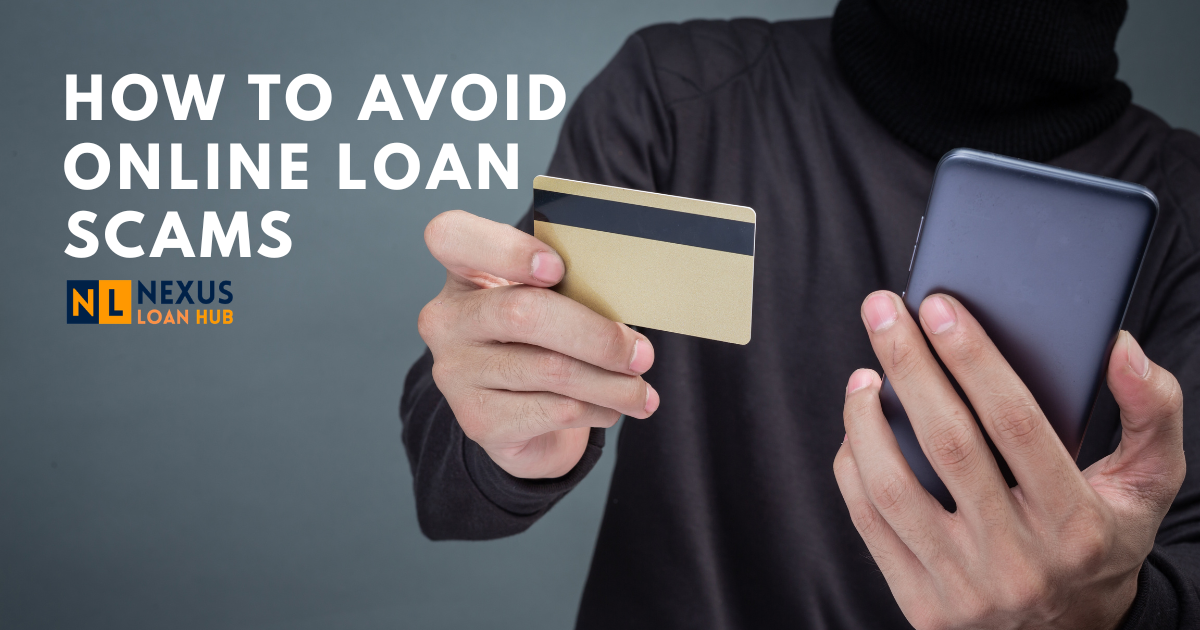
Knowing how to avoid online loan scams is essential in today’s digital lending environment. While online loan platforms make borrowing more convenient, scammers also use fake approvals, phishing messages, and upfront fee schemes to target consumers.
This consumer safety guide explains how online loan scams work, warning signs to watch for, and practical steps you can take to protect your money and personal information.
Before applying for any online loan, read this guide carefully.
Table of Contents
What Are Online Loan Scams?
Online loan scams are fraudulent schemes where criminals pose as lenders or loan agents to steal money or personal information.
These scams often involve:
- Fake loan approval messages
- Guaranteed loan offers
- Requests for upfront processing fees
- Phishing emails requesting sensitive data
- Fake customer service numbers
Unlike legitimate lenders, scammers typically disappear once payment is made.
Why Online Loan Scams Are Increasing
Digital lending growth has created new opportunities for fraudsters. Many consumers apply for loans online, making it easier for scammers to create fake websites that appear legitimate.
According to the Federal Deposit Insurance Corporation, financial fraud schemes continue evolving, often mimicking trusted institutions.
Similarly, the Federal Trade Commission regularly warns consumers about loan-related scams involving impersonation and advance fee fraud.
The combination of financial urgency and digital communication makes borrowers vulnerable.
Common Online Loan Scam Warning Signs
Understanding red flags is the first step in learning how to avoid online loan scams.
Learn more about approved loan scam warning signs and how fraudsters trick borrowers.
1. Guaranteed Approval Claims
No legitimate lender guarantees approval without reviewing your financial information.
2. Upfront Fees Before Funding
If someone asks for “insurance,” “processing,” or “verification” fees before loan disbursement, it is likely a scam.
3. Pressure Tactics
Fraudsters create urgency:
- “Offer expires today”
- “Limited approval window”
4. Suspicious Contact Methods
Be cautious of:
- WhatsApp-only communication
- Unverified caller IDs
- Generic Gmail addresses
5. No Physical Address or Policies
Legitimate financial platforms provide:
- Privacy policy
- Terms and conditions
- Contact information
- Clear business model
How to Verify a Legitimate Loan Platform
If you want to know how to avoid online loan scams, verification is critical.
Before applying, you can review our detailed guide answering Is Nexus Loan Hub legit to understand how transparent loan platforms operate.
Check for HTTPS Security
A secure site should use encryption (https://).
Review Business Transparency
Does the website clearly explain:
- Whether it is a lender or a connection service?
- How does it make money?
- What happens after the application?
Search for Independent Reviews
Look for patterns of complaints or scam warnings.
Verify Through Government Resources
Consumers can cross-check suspicious activity through the scam reporting portal managed by USA.gov.
Steps to Avoid Online Loan Scams
Here are practical consumer safety tips:
1. Never Pay Upfront Fees
Legitimate lenders deduct fees from loan proceeds — not before approval.
2. Protect Personal Information
Avoid sharing:
- Social Security numbers
- Bank credentials
- OTP codes
Unless you are certain the platform is secure.
3. Research Before Applying
Search:
- “[Company Name] legit”
- “[Company Name] scam”
- “[Company Name] reviews”
4. Avoid Unrealistic Promises
High loan amounts with no credit checks are major red flags.
5. Read Loan Terms Carefully
Review interest rates, repayment schedules, and fees before signing anything.
What To Do If You’re Targeted by a Loan Scam
If you suspect fraud:
- Stop communication immediately.
- Do not send money or share verification codes.
- Save screenshots and emails as evidence.
- Report the incident.
You can report loan scams directly to the Federal Trade Commission through its official reporting portal.
Prompt reporting helps protect other consumers.
Government Resources for Reporting Loan Fraud
Consumers should rely on official government resources when learning how to avoid online loan scams.
You can:
- Report suspicious loan offers to the FTC
- Use the official U.S. government scam reporting page
- Access educational materials from banking regulators
Government websites provide updated fraud alerts and safety guidance.
Internal Consumer Education Matters
Staying informed is one of the best defenses against financial fraud. Before applying for loans online, review how legitimate loan platforms operate and understand the difference between lenders and connection services.
For example, visiting a transparent platform like Nexus Loan Hub can help borrowers understand how secure loan matching processes work and how legitimate services explain their role clearly.
Education reduces risk.
Final Safety Checklist
Before submitting any online loan application:
✔ Check website security (HTTPS)
✔ Verify business transparency
✔ Avoid upfront payment requests
✔ Review privacy policies
✔ Confirm lender identity
✔ Report suspicious activity
If something feels rushed or unclear, pause and investigate further.
Frequently Asked Questions
-
How can I avoid online loan scams in the USA?
To avoid online loan scams in the USA, verify the lender’s website security (HTTPS), check for clear business disclosures, and never pay upfront fees. Research the company name with terms like “scam” or “review” before applying. Always confirm legitimacy through official U.S. government consumer protection resources.
-
Are guaranteed loan approvals legitimate in the United States?
No legitimate U.S. lender guarantees loan approval without reviewing your credit and financial details. Guaranteed approval claims are a common red flag used in online loan scams. Real lenders evaluate eligibility based on income, credit history, and other underwriting criteria before making decisions.
-
What should I do if I receive a suspicious loan approval message?
If you receive an unexpected loan approval message, avoid clicking any links or sharing personal information. Do not send money or verification codes. Save the message as evidence and report the incident to the Federal Trade Commission or your state consumer protection office immediately.
-
Is it illegal for lenders to charge upfront fees in the U.S.?
In many cases, advance fee loan scams are illegal in the United States. Legitimate lenders typically deduct fees from the loan amount rather than requesting payment before funding. If a lender asks for upfront processing or insurance fees, it is likely a scam.
-
How can I report an online loan scam in the United States?
You can report online loan scams in the United States to the Federal Trade Commission through its official fraud reporting portal. You may also contact your state attorney general’s office or local consumer protection agency for additional assistance and investigation support.
Conclusion
Understanding how to avoid online loan scams is essential for protecting your finances in the digital age. By recognizing warning signs, verifying platforms, and using official reporting resources, consumers can significantly reduce their risk of fraud.
Financial safety starts with awareness.
Always choose transparent platforms like Nexus Loan Hub that clearly explain how their loan matching process works.
Responsible Borrowing Disclaimer
Disclaimer: Nexus Loan Hub is a free loan matching service that connects borrowers with participating lenders. We are not a lender and do not make credit decisions. Rates, terms, and availability vary by lender and creditworthiness. Not all applicants will qualify for a loan or the advertised rates and terms. Loans are subject to credit approval and verification. Funding times may vary depending on verification requirements and lender policies. Available in most states – some restrictions may apply based on state regulations.